ESO study warns 1.7 million planned satellites would devastate ground astronomy
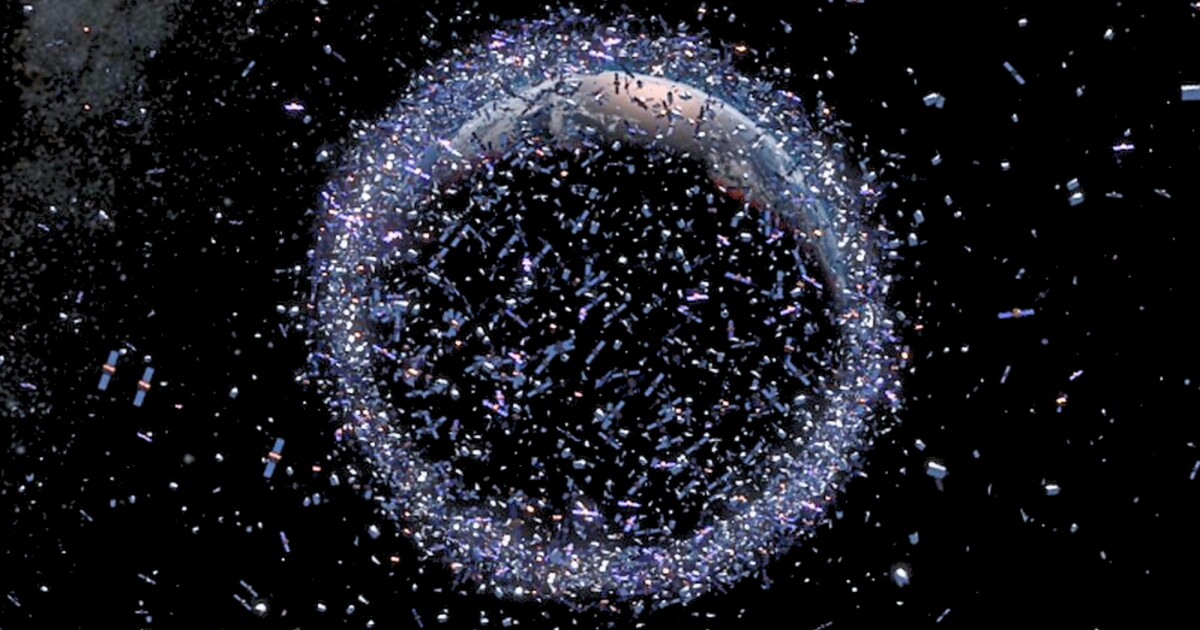 Image: Primary
 A European Southern Observatory study by astronomer Olivier Hainaut concludes that existing proposals for more than 1.7 million satellites would have devastating consequences for astronomy and argues for no more than about 100,000 faint satellites in Earth orbit, New Atlas reported of a paper in Astronomy and Astrophysics.
About 14,000 satellites now orbit Earth, mostly Starlink. Hainaut said current interference is manageable but worsening, and that new proposals push ground-based astronomy beyond the limit. His simulations of locations, motion, and brightness of planned constellations found ESO's Very Large Telescope could lose up to 28% of its field of view to SpaceX's planned satellites, while the Vera C. Rubin Observatory could lose several hours of observations each night.
SpaceX aims to launch a million more satellites, including large orbital AI data center networks. Reflect Orbital plans up to 50,000 mirror-like satellites by 2035 to beam sunlight to Earth at night; Hainaut called them the most disruptive, with beams spanning at least five kilometres and surface brightness four times a full Moon inside the beam. Amazon plans more than 3,000 Amazon Leo internet satellites, with other constellations potentially adding hundreds of thousands more. Hainaut said a ceiling near 100,000 satellites at visual magnitude 7 would keep losses comparable to other technical losses, while preferring fewer.
Sources


Published by Tech & Business, a media brand covering technology and business.
This story was sourced from New Atlas and reviewed by the T&B editorial agent team.
Back to Newswire