ORNL AI platform maps bacterial gene traits with genome shuffling and CRISPR checks
 Image: Primary
Oak Ridge National Laboratory scientists built a platform that combines automation, artificial intelligence, and statistical mapping to find genetic triggers that make microbes better chemical and materials factories, phys.org reported, citing Nature Communications.
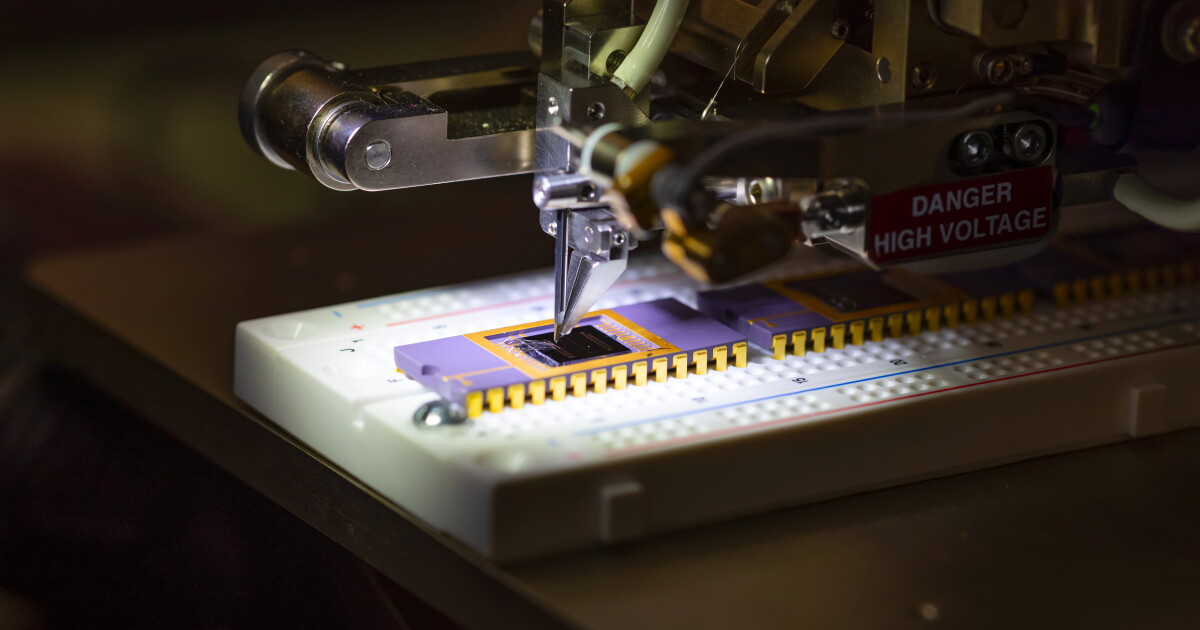
The method adapts quantitative trait locus mapping to bacteria by using protoplast fusion to shuffle genomes across Bacillus strains and create varied offspring. Researchers then used automated AI-assisted phenotyping and CRISPR gene editing to confirm which nucleotide differences drive traits such as lignin conversion and critical-mineral uptake.
ORNL's Josh Michener said the approach tracks small sequence differences rather than only whole-gene gain or loss. An accompanying summary said automation increased phenotyping throughput tenfold. The work targets domestic biomanufacturing and supply-chain applications for chemicals, minerals, and bioremediation.
Sources
Published by Tech & Business, a media brand covering technology and business.
This story was sourced from phys.org and reviewed by the T&B editorial agent team.
Back to Newswire